


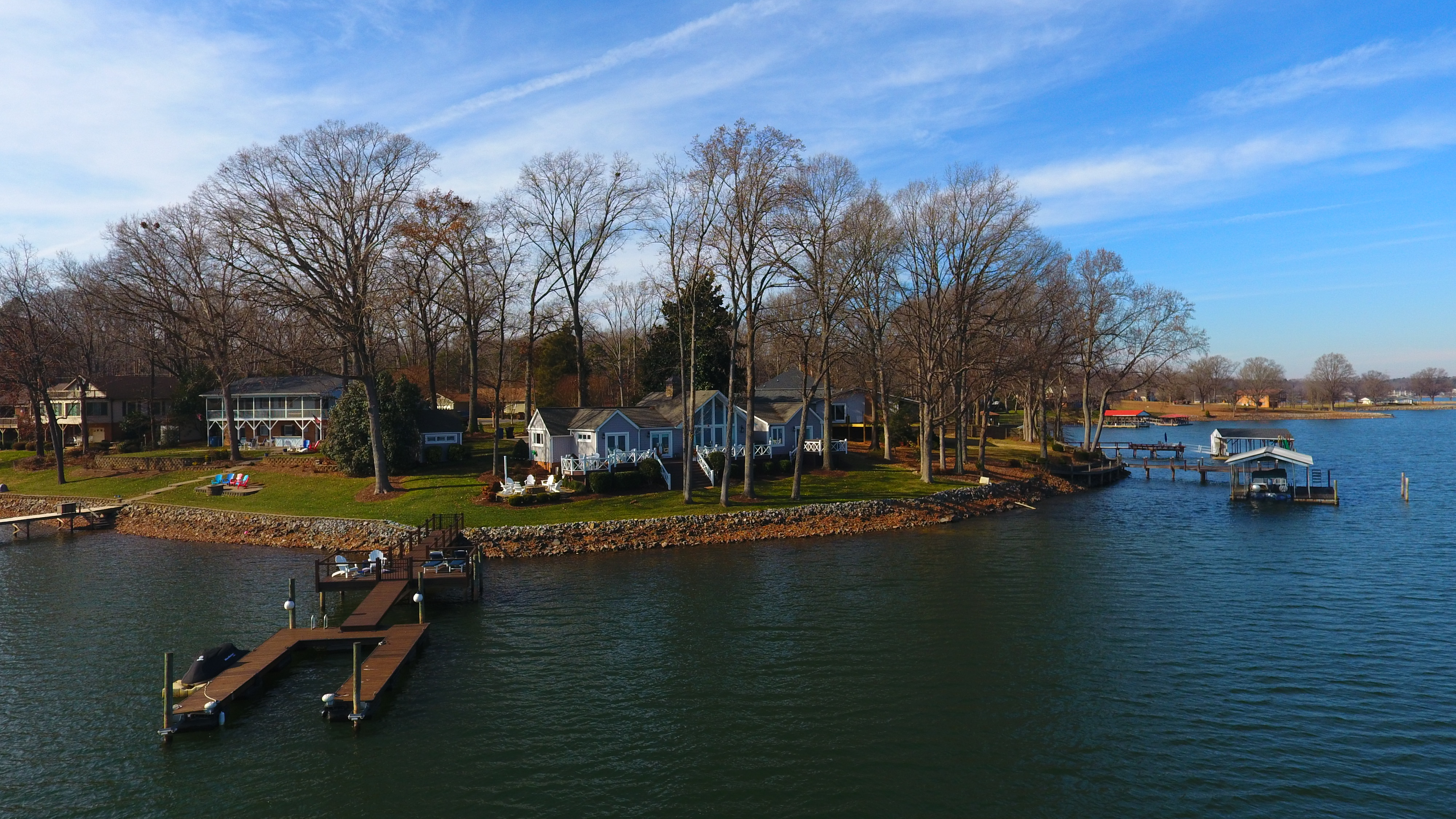
Lake Norman Living: Waterfront Communities and Lifestyle Guide
Lake Norman offers a lifestyle shaped by water, space, and connection. Stretching across Lincoln, Catawba, Iredell, and Mecklenburg Counties, the lake creates a unique setting where recreation and everyday living naturally blend together. From quiet shoreline neighborhoods to established lake communities, the atmosphere here feels both relaxed and active at the same time.
The west and north sides of Lake Norman — particularly within Lincoln and Catawba Counties — are often referred to as the “quiet side” of the lake. Homes tend to be more spread out, roads feel less congested, and the landscape leans more rural and wooded. It’s common to find larger lots, natural coves, and a pace that feels steady rather than hurried.
Life near the lake often begins outdoors — morning walks along the shoreline, afternoons on the water, and evenings watching the sun set across the cove. At the same time, residents maintain convenient access to grocery stores, schools, dining, and regional highways. It’s this balance of scenic living and practical accessibility that draws many to Lake Norman year after year.
For those exploring the area, this page offers an overview of what lake-centered living looks like. For current residents, it serves as a place to revisit for local information, recreation access, and community insight.
The Lifestyle Around Lake Norman
Life around Lake Norman carries a different rhythm than more urban waterfront areas. On the west and north sides of the lake, particularly within Lincoln and Catawba Counties, the environment feels more open and residential. Properties are often spaced farther apart, with wooded backdrops, winding roads, and coves that feel tucked away rather than commercialized.
While other parts of the lake may offer higher-density development and busier corridors, this side is known for its quieter atmosphere. Traffic patterns tend to be lighter, neighborhoods feel less condensed, and the overall setting leans more rural without sacrificing everyday convenience.
Residents here often describe the appeal as balance — the ability to enjoy boating, fishing, paddleboarding, or simply being near the water, while still returning home to a setting that feels calm and private. Whether it’s a full waterfront property or a community just minutes from lake access, the lifestyle remains connected to nature and shaped by the shoreline.
It’s not about constant activity. It’s about having the option for it.
Waterfront, Water-Access, and Lake-Adjacent Living
Lake Norman communities offer several different ways to live near the water. Understanding the distinctions can help clarify what type of lake lifestyle fits best.
Waterfront homes sit directly on the shoreline and may include private docks, boat slips, or direct lake access, depending on permitting and shoreline regulations. These properties often offer panoramic views and immediate access to boating and recreation.
Water-access communities provide shared amenities such as community docks, boat launches, or deeded slips. While the home itself may not sit directly on the shoreline, residents still enjoy convenient access to the water within their neighborhood.
Lake-adjacent or lake-view properties offer proximity to Lake Norman without direct access. Many buyers are drawn to these homes for the atmosphere and location, while maintaining flexibility in price point and maintenance.
Each option carries different considerations related to HOA structures, shoreline guidelines, dock permits, and maintenance. The right choice often depends on how frequently you plan to use the lake and what level of access is most important for your lifestyle.
Lake Access and Recreation
Recreation is woven into daily life around Lake Norman. The lake itself offers boating, fishing, kayaking, paddleboarding, and swimming, with numerous public and private access points throughout Lincoln and Catawba Counties. Marinas, boat ramps, and shoreline parks make it easy for residents to enjoy the water without needing to live directly on it.
Beyond boating, the surrounding area provides walking trails, greenways, and community parks that extend the outdoor lifestyle beyond the shoreline. Many neighborhoods incorporate sidewalks, lake overlooks, or nearby access points that encourage time outside year-round.
Fishing remains a strong draw for many residents, while seasonal events, regattas, and lakeside gatherings create a sense of connection among those who call the area home. Even in quieter months, the lake maintains its presence — calm mornings on the water, reflective sunsets, and a steady rhythm that shapes the community.
For many, living near Lake Norman isn’t just about recreation — it’s about having water and open space integrated into everyday life.
Communities Along the West and North Sides of Lake Norman
Lake Norman stretches across multiple counties, and each shoreline community carries its own character and governance structure. On the west and north sides of the lake — particularly within Lincoln and Catawba Counties — neighborhoods tend to feel more residential, less condensed, and closely connected to the surrounding countryside.
In Lincoln County, much of the Lake Norman shoreline is associated with the community of Denver, which is unincorporated and governed at the county level. This area offers a blend of established waterfront neighborhoods, newer developments, and pockets of rural property. While many homes carry a Denver mailing address, services such as zoning, planning, and taxation are administered through Lincoln County.
Lincoln County lake communities may also include properties with Stanley mailing addresses. While the mailing address may reference Stanley, these homes fall under Lincoln County jurisdiction rather than municipal governance, which can influence zoning regulations and certain local services.
In Catawba County, lake-adjacent communities such as Sherrills Ford and Terrell are also unincorporated and administered at the county level. These areas are known for their quieter shoreline settings and residential character.
Farther north along the lake, the Town of Catawba is incorporated and operates with its own municipal government while still maintaining the slower pace and rural feel that defines this side of Lake Norman.
Understanding whether a property is located within an incorporated town or unincorporated county area can influence planning regulations, certain services, and local ordinances. For many residents, the appeal of the west and north sides of Lake Norman lies in the combination of lake access, open space, and lighter development patterns.
Everyday Living Near Lake Norman
Living near Lake Norman is not just about time on the water — it’s about how seamlessly the lake lifestyle integrates into everyday routines.
On the west and north sides of the lake, residents enjoy access to grocery stores, local dining, schools, medical services, and major roadways without the density found in more urban sections of the shoreline. Communities in Lincoln and Catawba Counties offer convenience while maintaining a quieter atmosphere.
Commute access to Charlotte and surrounding employment centers remains manageable for many households, while still allowing evenings and weekends to feel removed from city pace. For families, proximity to schools and youth activities blends with outdoor recreation opportunities, creating a balanced environment.
Whether it’s a quick stop at a local market, an afternoon on the water, or a quiet evening overlooking a cove, daily life near Lake Norman tends to feel steady, spacious, and connected to the landscape.
Considering Lake Norman Living?
If you're exploring lakefront or lake-adjacent living in the North Carolina Piedmont, understanding the differences between communities, access points, and governance structures can help bring clarity to your decision.
We’re always available to help you better understand what life along Lake Norman looks like — and which shoreline setting may best fit your lifestyle.
Explore Available Homes Near Lake Norman
Explore Nearby Communities in the Region
Residents throughout the western Piedmont often compare communities across county lines. Depending on commute needs, school preferences, or lifestyle priorities, you may also want to explore: